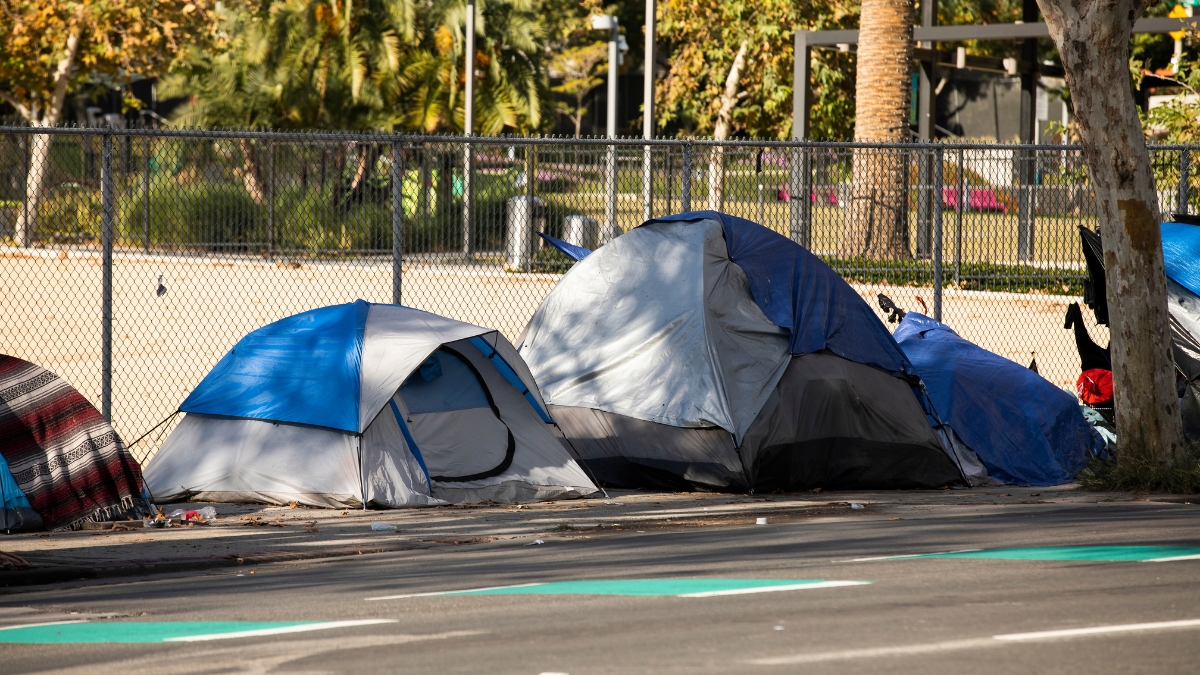
A recent open letter published in the Nanaimo News Bulletin highlights an issue that remains widely misunderstood: the strong connection between brain injury and homelessness.
Here at VBIS, we understand and see the link between traumatic brain injuries and homelessness. Evidence shows that over half of individuals experiencing homelessness are living with a traumatic or acquired brain injury—a statistic that is both staggering and deeply concerning.
At VBIS, this is not surprising though, it reflects what we see every day. The intersection between living with a brain injury as well as living with unsafe housing creates a vicious cycle that can be hard to escape. More often than not, we see the impact of a brain injury lead to homelessness. Many individuals in our community with a TBI live with challenges that affect memory, emotional regulation, decision-making, and the ability to navigate everyday systems. Without proper education and support, these challenges can lead to:
- Difficulty maintaining employment
- Barriers to accessing housing
- Increased vulnerability to substance use
- Disconnection from community and care systems.
Many of support systems and avenues for help are not designed with brain injury in mind.This creates a cycle where people fall through the cracks—not because they aren’t trying, but because the system isn’t meeting them where they are.
Here at VBIS, our support system and services are brain injury informed first. This allows us to create an environment for customized client growth. While brain injuries are often invisible, its effects are not. Acknowledging the risk and increase of people with brain injuries to become homeless allows us to build more effective, compassionate and inclusive resources for our clients.