Our Blog
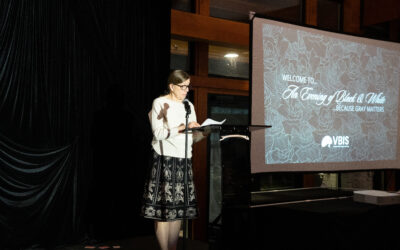
Record-Breaking Gala Raises $167,000 for Brain Injury Support
We are overwhelmed with gratitude. On March 7th, our community came together for our annual gala, and together we raised $167,000 — the most ever raised in our organization’s history. These funds will help us to continue to provide and grow our...
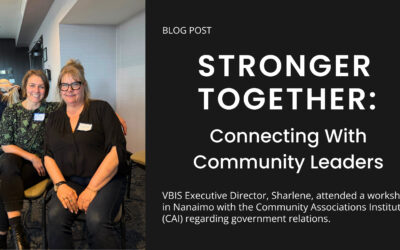
Stronger Together: Connecting With Community Leaders
Earlier this month, VBIS Executive Director, Sharlene, attended a workshop in Nanaimo with the Community Associations Institute (CAI) regarding government relations. Attendees gathered together to learn how they can create and strengthen...
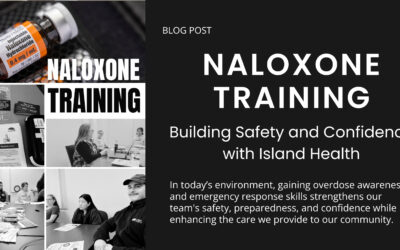
Building Safety and Confidence with Island Health
Recently, VBIS staff and members participated in naloxone training in Victoria BC provided by Island Health. In today’s environment, gaining overdose awareness and emergency response skills helps strengthen the safety, preparedness, and confidence...
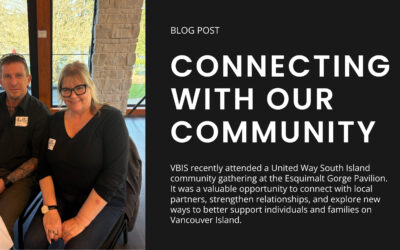
Connecting With Our Community
VBIS had the pleasure of attending a community gathering hosted by United Way South Island at the beautiful Esquimalt Gorge Pavilion. This beautiful location is also where our upcoming Gala, An Evening of Black and White… Because Gray Matters will...
The Ultimate Guide to Concussion Resources in Victoria, BC
Concussions are more common than many people realize. They can happen on the soccer field, during a bike ride, at work, or from something as ordinary as slipping on wet pavement. While concussions are often called “mild” traumatic brain injuries,...

Understanding the Hidden Symptoms of Brain Injury: What to Watch For and How to Get Help
By Adam Scott Not all brain injuries are visible. For many survivors, the most disruptive symptoms aren’t the ones you can see, rather, they’re the ones that affect how a person thinks, feels, and functions. These “hidden” or invisible symptoms of...

Navigating Life After a Brain Injury: Resources, Support & Recovery in Victoria BC
By Adam Scott Navigating Life After a Brain Injury: Resources, Support & Recovery in Victoria BC A brain injury can change life in an instant, not only for the survivor, but for their families, friends, and support network as well. The road to...
When the Fog Doesn’t Lift – Understanding Post-Concussion Syndrome
by Adam Scott Understanding Post-Concussion Syndrome: Why Some Recoveries Take Longer Not all concussions heal within a few weeks. For some, symptoms can linger, sometimes lasting for months or even longer. This can affect everything from work to...
Beyond the Surface: What Brain Injury Awareness Month Means to Survivors
By Adam Scott Why June Matters For many Canadians, June isn’t just another month, rather, it is a time to acknowledge the ongoing journeys of those living with brain injuries. Brain Injury Awareness Month is more than a public health campaign as it...
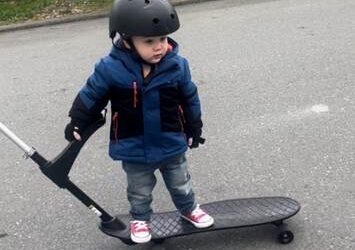
Protecting Your Most Important Asset: Your Brain
By Brenda Clayton June is Brain Injury Awareness Month. Think of your brain as your “battery.” It’s what powers everything you do—thinking, feeling, seeing, hearing, tasting, smelling, moving, and remembering. Your brain makes you you. When your...
Finalist in the Greater Victoria Business Awards 2025
The Victoria Brain Injury Society is a finalist for not for profit of the year in the Greater Victoria business awards 2025. As a vital resource for individuals and families affected by brain injury, and the only organization solely focused on...
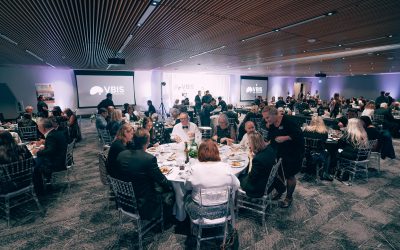
Annual Gala Raises Over $128,000 to Support Brain Injury Survivors
The annual An Evening of Black and White... Because Gray Matters gala has raised a grand total of $128, 382 in support of programs and services for brain injury survivors in Greater Victoria. What a night! On March 1st 2025, supporters of the...
VBIS launches new counselling program
The Victoria Brain Injury Society has launched a new, free counselling program A new partnership between the Victoria Brain Injury Society and the University of Victoria pairs people with brain injuries in need of counselling, and counselling...
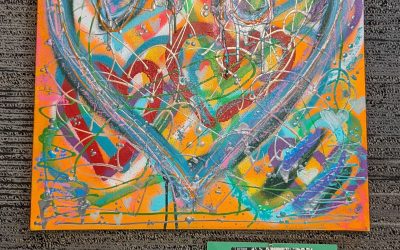
Grief, support and resilience — Judy’s story
Before their brain injury, Judy was a community support worker, an entrepreneur, and an artist. They had already overcome many challenges, including sexism, racism, classism and a major health diagnosis in their 20s. Then they were in two car...
Art Program at VBIS
By: Darian Colpitts One of the programs offered by the Victoria Brain Injury Society is the Art Program. It is in an open studio format, no experience is required, and all the supplies are provided for participants. Participants can work on their...
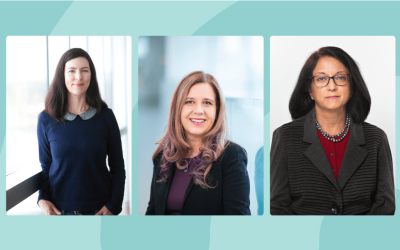
Committing to Diversity and Inclusion in Neuroscience
By Shaylen Hardy The Government of Canada is committing to diversifying neuroscience to better addressthe problems and discrepancies in current research. Historically, brain research has focused onusing male participants and subjects without...
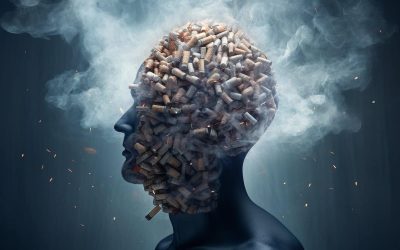
Brain Health: Part 3
Brain health is multifaceted and can be promoted in many ways. In part 1 we looked at the role diet and physical exercise play in creating a healthy brain. in part 2 the importance of sleep and cognitive exercise. In this part we will talk about...

The Benefits of Being in Nature for the Healing Brain
By: Lisa Hanning “I go to nature to be soothed and healed, and to have my senses put in order.” -John Burroughs, 1912 Walking in the forest near my home on the Sunshine Coast I marvel at the way the dappled sunlight through the trees illuminates an...
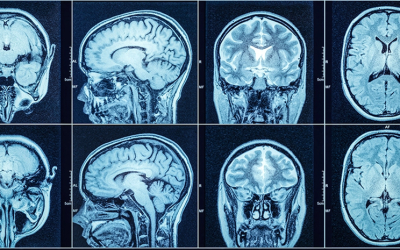
How traumatic brain injuries are diagnosed
By Darian Colpitts Image from South Jersey Radiology Associates When one experiences a head or spinal trauma, their first stop should be to a healthcare provider so that they can determine if a traumatic brain injury (TBI) has occurred. You or a...
Can an Injured Brain be more Psychic?
By: Lisa Hanning It is that time of the year when the hours of dark overtake the hours of light in the Northern Hemisphere. That time of year when the plants and trees start to drop their leaves and the vibrancy of summer begins to slow down…...

Screen Time and Brain Health
As the digital world continues to grow and expand, excess screen time is becoming moreof a concern for individuals of all ages. With technology becoming more accessible and morecomplex it’s no wonder finding time away from a screen can be...

Brain Injury Vocab
For brain injury survivors, navigating changes in cognitive and emotional functioning can be a challenge. Understanding the vocabulary surrounding these challenges can be empowering. This blog post will break down these key terms, providing clarity...

Brain Health: Part 2
You have probably heard a thousand times that a healthy diet and sleep are important for your physical well-being, but did you know they are also critical to maintaining brain health? Brain health is multidimensional and in part one of this series...
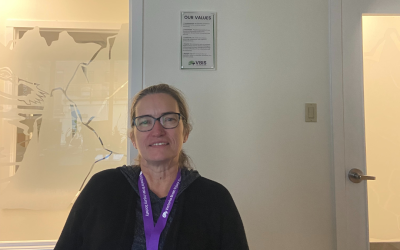
How to communicate with me. A person with the communication disability called Aphasia.
By: Lori Jousi A person with Aphasia may be unable to comprehend or formulate language due to a stroke (most common cause) or head trauma. It does not affect cognitive abilities (thinking skills) but will have a hard time understanding. Makes it...

Sleep and the Injured Brain
By Lisa Hanning We are such stuff as dreams are made on, and our little life is rounded with a sleep. William Shakespeare’s Prospero in the Tempest, Act 4, Scene 1. The average human spends 200,000 hours of their life sleeping which is about 8000...

Brain Injury and Caregiver Fatigue
By Darian Colpitts How brain injury affects family & friends When a member of one's family or social circle acquires a brain injury it can come with a host of new dynamics within this space. Some common changes include frustration between...

Concussion Awareness Week
September 22-28By Shaylen Hardy Did you know that September 22nd marks the beginning of National Concussion Awareness Week inCanada? The goal for this week is to raise awareness about the impact of concussions and bring attention to theimportance...

Brain Health: Part 1
By: Kianna Csolle Although there isn’t one agreed-upon definition for brain health, most definitions include having optimal brain function for your age. Since our brains control our movements, social cognitions, senses, emotions, and behaviour,...
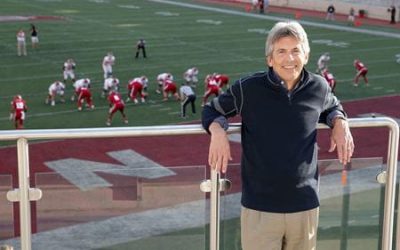
What research is being done on concussions?
By: Angela Bowers According to medicinie.iu.edu, recent research is revealing that genetics may influence how susceptible a person is to brain injuries. Dr. Thomas McAllister, who is the Professor of Psychiatry and Neurology at Indiana University...

A short guide to the types of support after brain injury available in Victoria
By Darian Colpitts Seeking help and support after experiencing a brain injury can be an overwhelming experience, especially if you do not know what you are looking for in your specific needs and goals. You may have never heard of some of these care...